
Restaurant ordering applications have become an essential part of the modern food service ecosystem. These platforms connect customers, restaurants, and delivery partners through integrated digital systems that streamline ordering and fulfillment. As consumer expectations for speed, accuracy, and convenience grow, the technology behind these platforms continues to evolve. Advanced architecture, data processing, and logistics coordination now define how efficiently food moves from kitchens to customers. Understanding the core components that power these systems provides valuable insight into how digital platforms support the rapidly expanding ecosystem of on demand delivery app development.
How Restaurant Ordering Applications Have Transformed Food Access
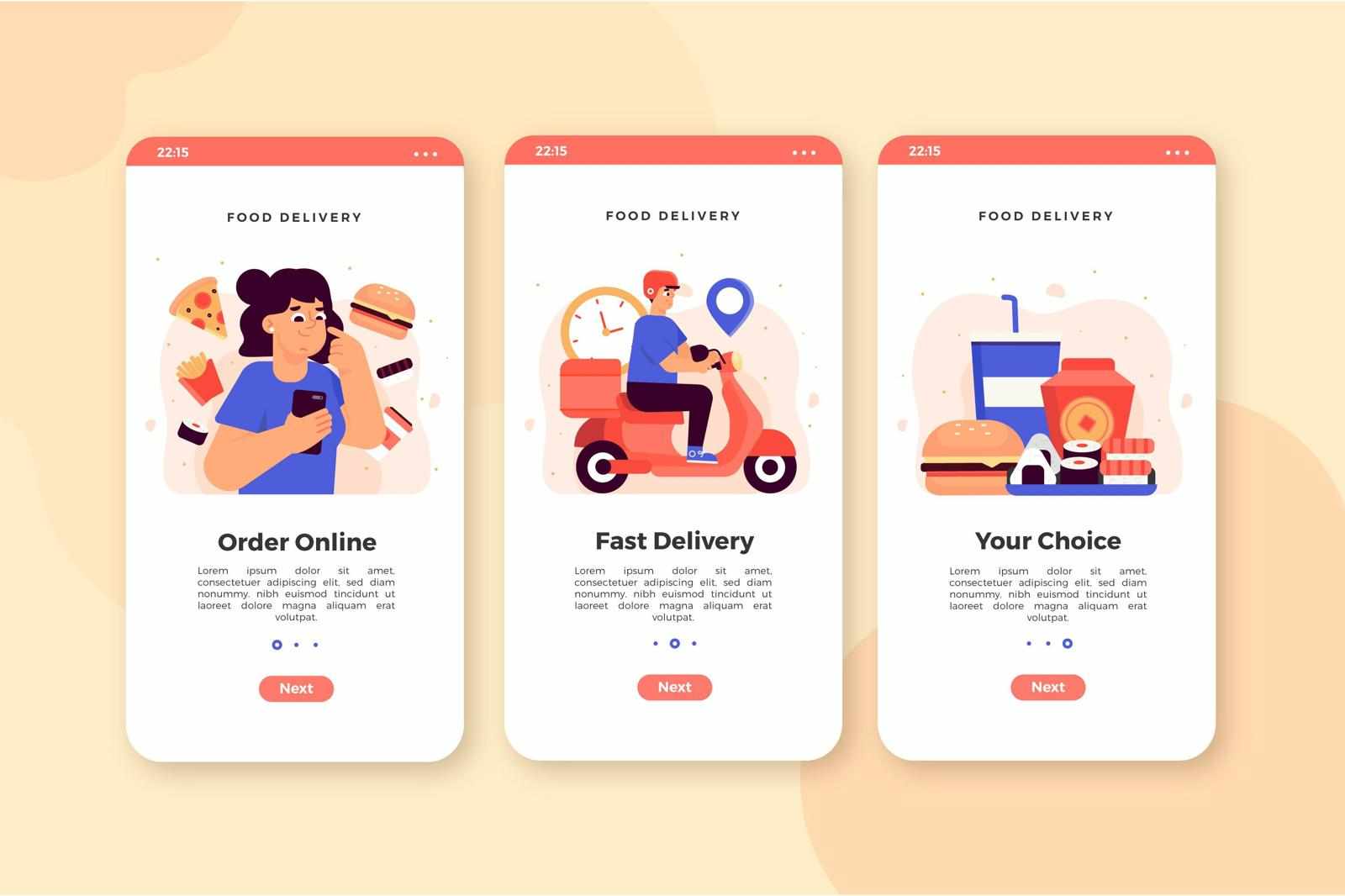
Digital ordering platforms have significantly reshaped how customers interact with restaurants. Instead of relying on phone orders or in-person visits, users can now browse menus, customize meals, and schedule deliveries through intuitive mobile interfaces.
Several technological and operational changes have contributed to this transformation:
Mobile-first ordering interfaces that simplify menu browsing
Automated order routing between customers and restaurants
Real-time communication between kitchens and delivery personnel
Integrated payment systems for faster transactions
Intelligent delivery allocation using location-based data
These capabilities have allowed restaurants to scale operations beyond their physical seating capacity. A single kitchen can now serve hundreds of remote customers simultaneously through digital channels.
The growth of mobile technology has also accelerated innovation in on demand delivery app development, enabling businesses to build platforms capable of handling high order volumes while maintaining service quality.
Beyond convenience, restaurant apps also generate operational data that businesses use to improve menu design, forecast demand, and optimize staffing. This shift has transformed restaurants from purely physical establishments into hybrid digital service providers.
Core Architecture Layers Behind Modern Food Ordering Systems
Restaurant ordering applications rely on multi-layered system architecture designed to handle complex workflows and large user volumes. These systems typically consist of three primary layers that work together to deliver seamless user experiences.
1. Presentation Layer
This layer includes the mobile and web interfaces that customers interact with. It handles:
Menu display
Order customization
User authentication
Notifications and order updates
The interface must be responsive and intuitive to reduce friction during ordering.
2. Application Logic Layer
Often referred to as the backend, this layer processes business logic such as:
Order validation
Pricing calculations
promotional rules
delivery allocation
It connects user requests to restaurant systems and delivery networks.
3. Data Layer
The data layer stores and manages critical information including:
restaurant menus
customer profiles
order history
payment records
Cloud infrastructure is frequently used to ensure scalability and reliability.
Designing these layers efficiently is critical because poor architecture can significantly increase delivery app development cost and reduce long-term scalability.
User Interface Design Principles That Improve Ordering Speed
User experience plays a major role in determining whether customers complete orders or abandon the process midway. Effective interface design focuses on reducing cognitive effort and guiding users through a simple ordering workflow.
Key design principles include:
Clear Menu Organization
Menus should be structured logically with categories such as appetizers, main dishes, beverages, and desserts. Visual hierarchy helps users quickly locate desired items.
Minimal Input Requirements
Ordering flows should avoid unnecessary steps. Features such as saved addresses, stored payment methods, and reorder options speed up transactions.
Visual Feedback
Users expect confirmation when actions occur. For example:
Adding items to the cart
Applying discounts
Confirming payment
Immediate feedback reduces uncertainty and improves usability.
Responsive Performance
Slow-loading interfaces can lead to high abandonment rates. Optimized images, efficient APIs, and caching strategies help maintain smooth performance.
These principles are particularly important in on demand delivery app development, where users expect quick and effortless ordering experiences.
Real Time Order Management and Kitchen Coordination Logic Systems
Efficient order management is the backbone of restaurant ordering platforms. Once a customer places an order, multiple processes must occur simultaneously to ensure timely preparation and delivery.
The order management system coordinates several operational steps:
Order confirmation and payment verification
Transmission of order details to the restaurant kitchen
Estimated preparation time calculation
Delivery partner assignment
Real-time order status updates
Kitchen display systems are commonly used to replace printed tickets. These digital dashboards allow chefs to view incoming orders instantly and prioritize tasks based on preparation time.
Automation also reduces errors caused by manual order handling. For example:
Item substitutions are clearly recorded
Special instructions are displayed prominently
Order timing can be synchronized with delivery arrival
This coordination ensures that meals are prepared at the right moment to minimize delays and maintain food quality.
In more advanced platforms, machine learning models predict preparation times using historical data, helping optimize kitchen workload and delivery scheduling.
Secure Payment Infrastructure Supporting Digital Food Orders
Payment processing is one of the most sensitive components of restaurant ordering platforms. A secure and reliable payment infrastructure ensures that transactions are completed safely and efficiently.
Modern systems support multiple payment methods, including:
credit and debit cards
digital wallets
net banking
cash on delivery
unified payment systems
Payment gateways act as intermediaries between customers, banks, and merchants. These gateways encrypt transaction data and handle authorization requests.
Security measures typically include:
tokenization to protect card information
encryption protocols for data transmission
fraud detection algorithms
multi-factor authentication
Reliable payment infrastructure also improves transaction success rates and reduces cart abandonment.
Because payment failures directly affect user experience, platforms must prioritize high uptime, fast authorization speeds, and seamless integration with financial systems.
Role of GPS Tracking and Logistics in Delivery Efficiency Operations
Delivery logistics form a critical part of restaurant ordering applications. Once an order is prepared, the platform must coordinate pickup and delivery using location-aware systems.
GPS tracking technologies enable several key features:
Real-time tracking of delivery personnel
Dynamic route optimization
Accurate delivery time estimates
Customer visibility into delivery progress
Logistics algorithms evaluate factors such as:
driver location
traffic conditions
restaurant preparation time
delivery distance
These variables help determine the most efficient assignment for each order.
Platforms that also support courier delivery app development often extend these logistics capabilities to additional services such as parcel delivery or grocery transport.
Efficient routing reduces fuel consumption, delivery time, and operational costs while improving customer satisfaction.
In highly optimized systems, dispatch engines continuously analyze delivery performance metrics to refine route selection and driver allocation.
Data Analytics Engines That Personalize Food Ordering Apps Experience
Data analytics has become a central component of modern restaurant ordering applications. Every user interaction generates valuable data that can be analyzed to improve service quality and user engagement.
Analytics engines process information such as:
browsing behavior
purchase history
delivery locations
preferred cuisines
order frequency
Using this data, platforms can generate personalized experiences for users.
Common personalization strategies include:
Recommendation Engines
Algorithms suggest dishes based on previous orders or popular choices within the user's region.
Dynamic Promotions
Discounts and offers can be tailored to individual users to increase conversion rates.
Demand Forecasting
Predictive analytics helps restaurants estimate busy periods, allowing them to prepare staff and ingredients accordingly.
Many companies begin building these capabilities through MVP app development services, which allow them to test core features before expanding analytics functionality at scale.
Advanced analytics platforms can also integrate artificial intelligence to improve menu recommendations and delivery predictions over time.
Security Compliance Standards Protecting Customer Data Assets
Restaurant ordering applications handle sensitive customer data including personal details, payment information, and location history. Protecting this information is essential for maintaining user trust and regulatory compliance.
Platforms must adhere to several security standards and best practices:
secure encryption protocols for data storage
strict access control systems
regular security audits
compliance with payment security regulations
monitoring for suspicious activity
Identity management systems ensure that only authorized personnel can access sensitive data.
In addition to backend security, applications also implement protections at the user level, including:
secure login authentication
session management
password encryption
Regulatory frameworks in different regions require organizations to follow strict data protection guidelines. Failure to comply can result in financial penalties and reputational damage.
Robust security infrastructure therefore becomes an integral component of scalable digital food ordering platforms.
Future Technology Trends Shaping Restaurant Ordering Apps Globally
Restaurant ordering technology continues to evolve as new digital innovations emerge. Several trends are expected to influence how these platforms operate in the coming years.
Artificial Intelligence Integration
AI-powered systems can optimize delivery routing, forecast demand, and automate customer support through intelligent chatbots.
Voice-Based Ordering
Voice assistants may allow customers to place orders through conversational commands rather than traditional interfaces.
Autonomous Delivery Solutions
Drone and robotic delivery systems are being tested to reduce human dependency in last-mile logistics.
Cloud-Native Infrastructure
Cloud computing enables platforms to scale automatically during peak demand periods, ensuring reliable performance.
Hyperlocal Delivery Networks
Smaller delivery zones with faster service times are becoming more common in densely populated urban areas.
As these technologies mature, the scope of on demand delivery app development will expand to include increasingly intelligent automation and predictive logistics.
Conclusion
Restaurant ordering applications rely on a complex combination of software architecture, logistics systems, data analytics, and secure infrastructure. Each component plays a distinct role in ensuring that orders move smoothly from customers to kitchens and ultimately to their final destination. As digital ecosystems continue to evolve, these platforms will integrate more advanced technologies to improve efficiency, personalization, and reliability. Understanding the technological foundations behind these systems offers valuable insight into how modern food service operations adapt to growing consumer expectations and increasingly digital lifestyles.







Write a comment ...